
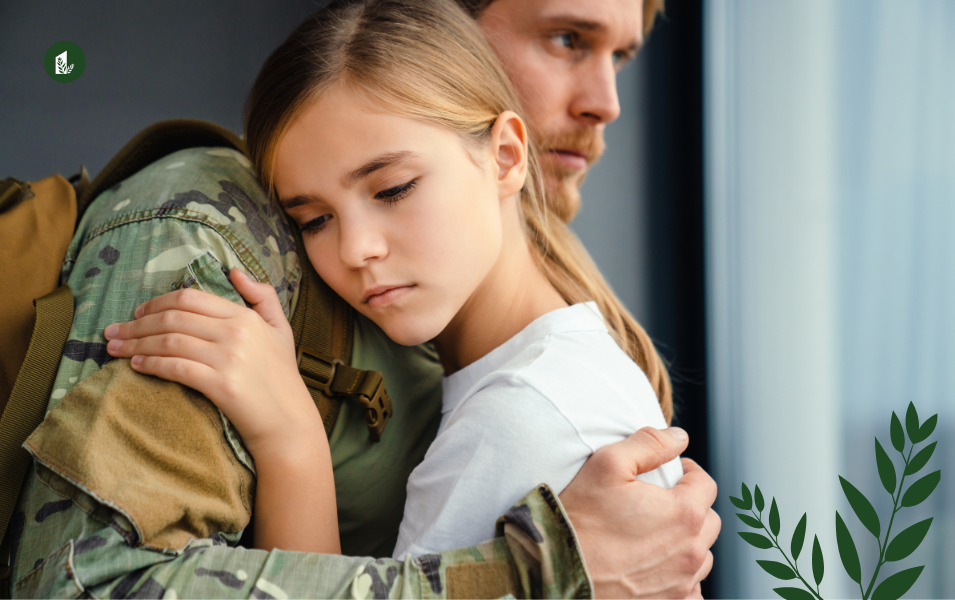
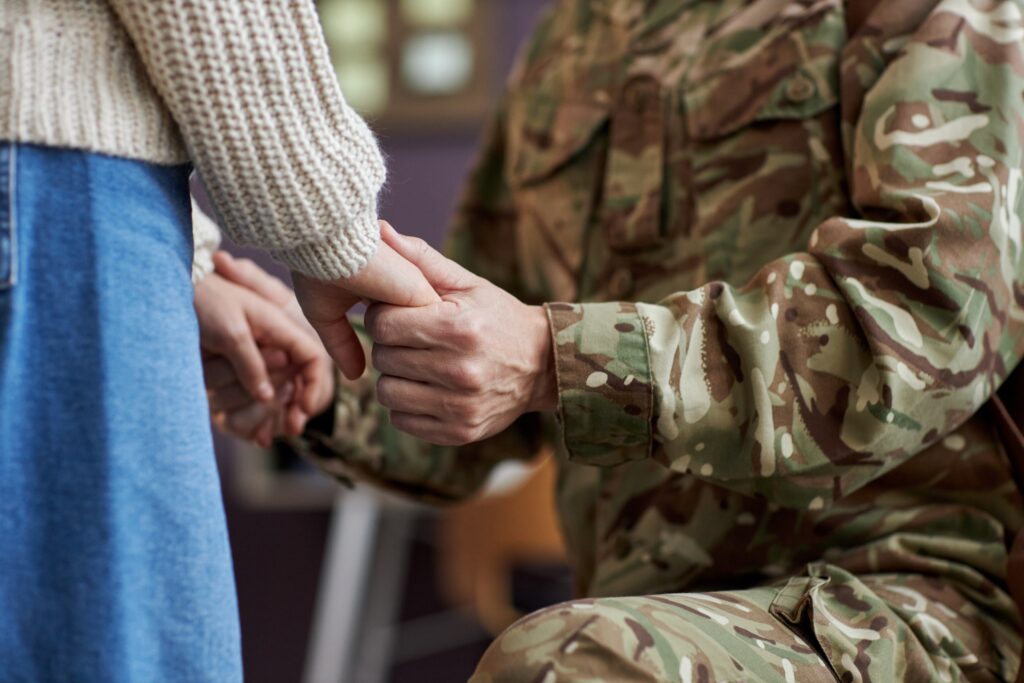
For some military families, the toughest battle they’ll face isn’t overseas. It’s in their own homes, fighting to connect. The challenges these families face don’t just affect adults. Their children are often fighting battles of their own. Deployments, relocations, and the overall unknown can take a toll on a teen’s mental health.
The National Military Family Association (NMFA) conducted its annual Military Teen Experience Survey, tracking the mental well-being of military-connected youth. While this year’s survey revealed a slight improvement in the number of teens reporting low mental well-being, the numbers still show the importance of addressing mental health challenges early.
The Numbers
Twenty-two percent of respondents in the NMFA survey reported having low mental well-being. Relocation was the most common contributing factor. Of the hundreds of youth surveyed, military teens had already experienced an average of:
- 4 deployments
- 5 permanent changes of station
- 4 different schools
That much movement is not unexpected for military families, but the instability can be extremely difficult for teens if they don’t have the support they need.
Nearly one-third of the youth surveyed reported having thoughts of self-harm. Approximately 16% acted on those thoughts. The numbers increased for teens with a parent injured in service. Those teens were three times more likely to experience thoughts of self-harm and five times more likely to act on those thoughts.
Seeing the Signs
The stress and uncertainty behind separations, changing schools, and making and losing friendships can build up, and families may not know how to spot the warning signs or how to respond to teens in crisis. Not every teen will have the same experiences, and not every teen will respond the same way. One may try to conceal their feelings because they worry their parents are already too stressed. Another may not feel connected to their family enough to share those feelings. Others may lash out or display more obvious signs of a problem.
Military OneSource, an official support program under the Department of Defense, offers guidance to help parents spot warning signs, both obvious and more discreet. In addition to symptoms similar to those adults may experience, such as prolonged sadness and anxiety, social withdrawal, and dramatic changes in eating or sleeping habits, parents may also notice:
- Anger or aggression toward authority figures
- A decrease in grades
- Hyperactivity
- Refusal to go to bed or school
What You Can Do
It’s important to make sure teens don’t feel like they have to navigate these challenges alone. Strong social connections support positive mental health outcomes. It may not be easy to make those connections, but finding a way to bridge the divide is crucial to getting on the right path toward healing. There are several ways to get started.
- Make time for low-pressure, honest conversations. Be empathetic and keep an open mind.
- Don’t assume a teen is “fine” because they’re functioning. Ask specific questions instead of simply asking, “Are you okay?”
- Help them maintain important relationships. Encourage them to connect with friends and avoid withdrawing from what makes them happy.
- Take changes in behavior seriously. Know where to turn for professional support when it’s needed.
Where Youth Home Fits In
At Youth Home, we know our military families give their all for our country, so we are determined to give our all for them. We have served military youth from more than 40 states and 4 countries, showing families around the world that there is always hope for healing.
Our residential treatment program accepts youth ages 12 to 17 and offers individualized plans for a variety of mental health needs, including:
- PTSD and trauma
- OCD and ADHD
- Mood disorders
- Depression and anxiety
- Developmental trauma
- Reactive Attachment Disorder (RAD)
We provide this care in an environment that feels like home, giving them the support and stability they need to begin healing while ensuring their families are always part of the process along the way. We are certified in-network with TRICARE East and TriWest, and proudly accept other military insurances, including CHAMPVA. We also coordinate travel and accommodations so families can focus on what matters most: healing.
If you or a family you know could benefit from our services, or if you’d like more information, don’t hesitate to reach out.
Apply now here, or email us at info@youthhome.org for more information.