
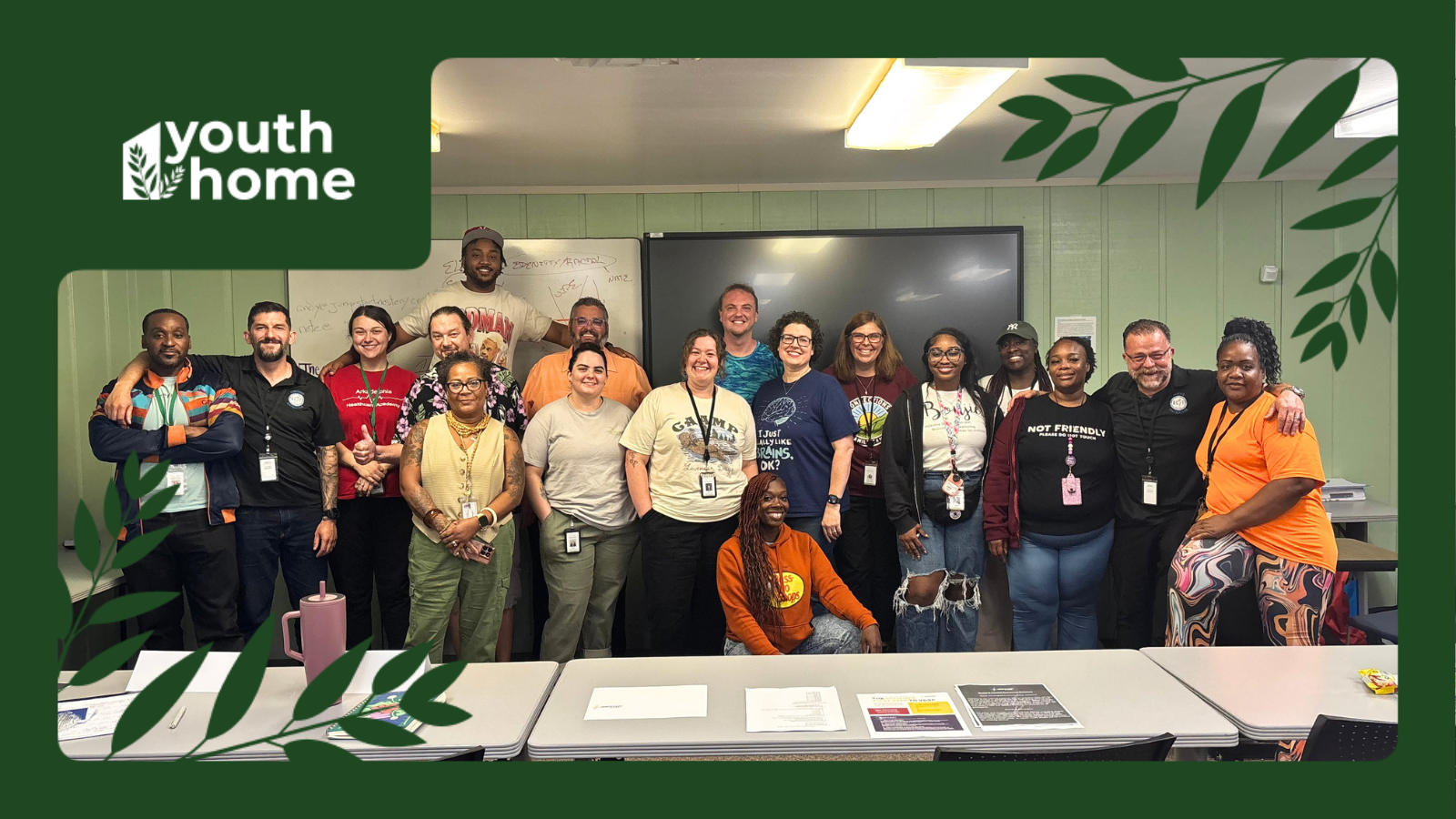
At Youth Home, we believe that providing exceptional care for our youth begins with investing in the people who care for them every day.
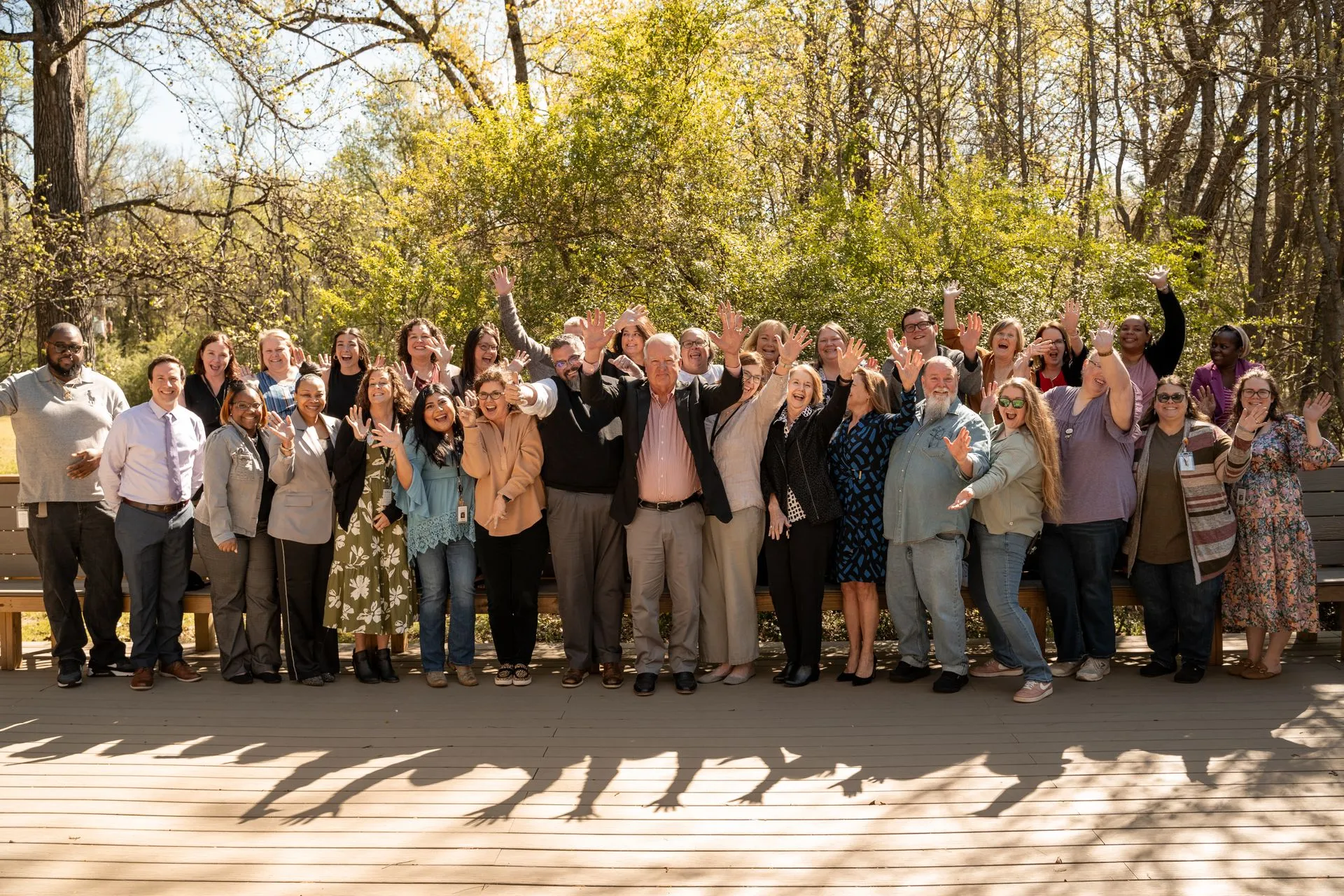
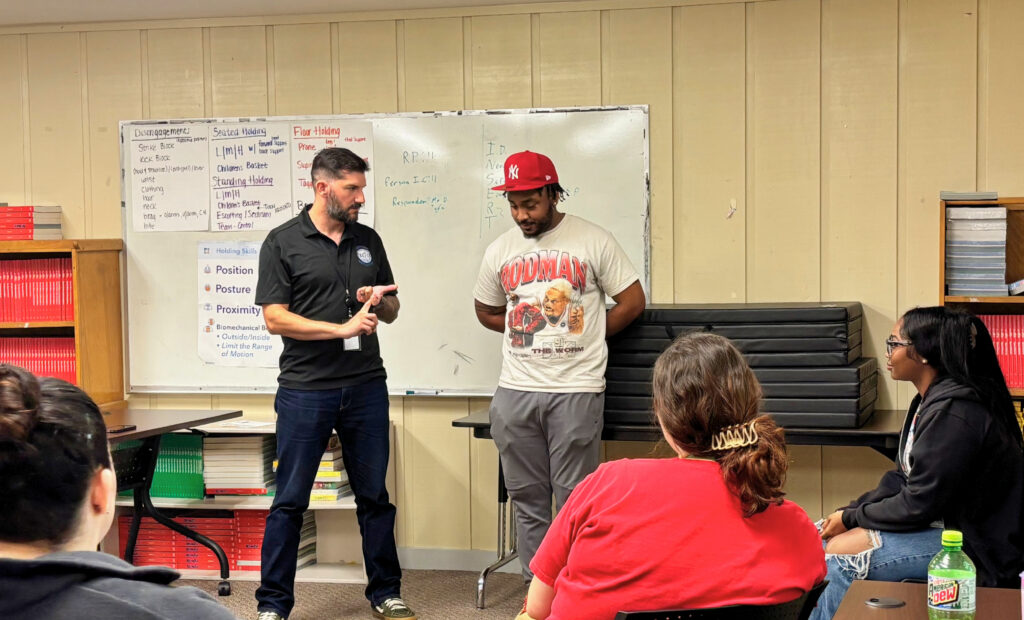
Our team recently participated in Advanced Crisis Intervention Training led by Andy Prisco and Nate Block from Jumpstart Mastery. This three-day training focused on verbal de-escalation, equipping our staff with communication strategies to help safely and effectively navigate moments of crisis while building trust with the teens in our care.
This type of training is crucial for facilities like Youth Home. Moments of heightened emotion can happen unexpectedly for many young people receiving behavioral health treatment, and the actions we take, the words we choose, and how we regulate ourselves can make all the difference.
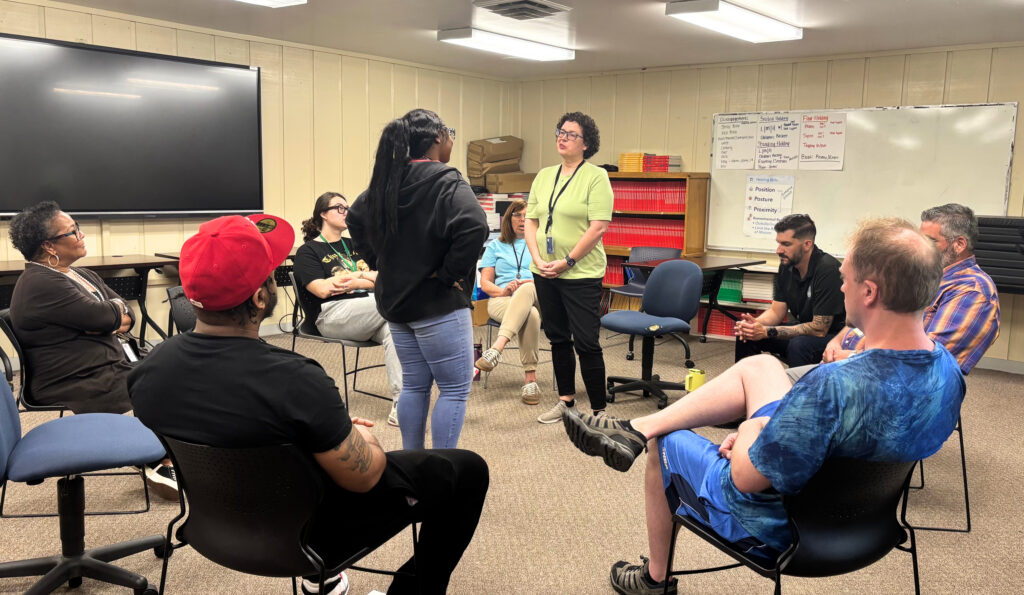
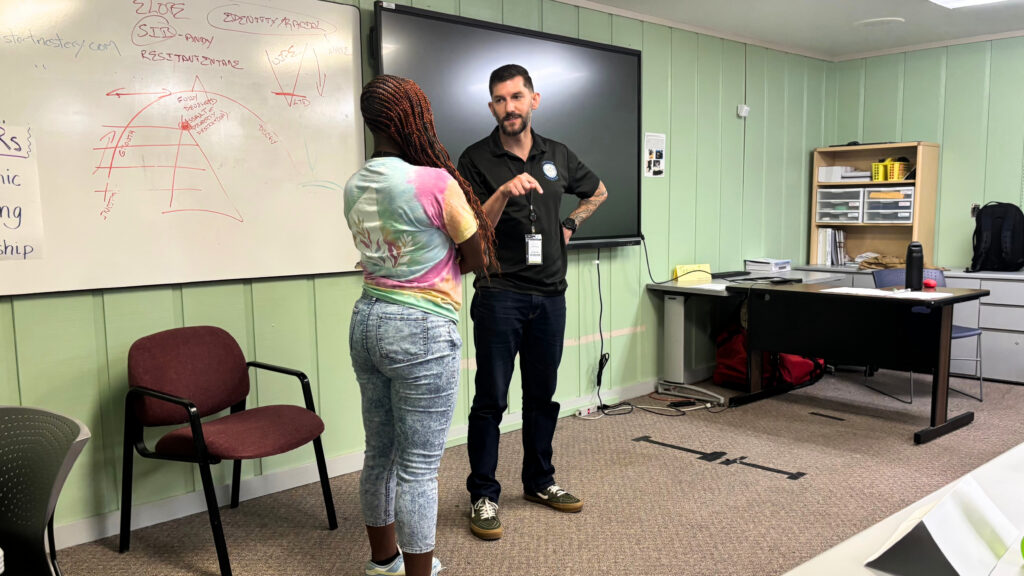
Throughout the course of this training, staff worked through realistic scenarios modeled after situations they encounter every day. Rather than simply discussing best practices in a classroom, Jumpstart Mastery got our staff actively involved in drills designed for responding under pressure. These hands-on lessons allowed staff to practice these skills and build the confidence to apply these techniques in real time.
Preparing for Real Situations through Realistic Simulations
One of the core lessons centered on the importance of building trust before trying to solve a problem. Instead of immediately focusing on correcting behavior or enforcing consequences, staff learned how to acknowledge a teen’s emotions and validate their experience. An important takeaway was that regulation comes first. During a crisis, both youth and staff can experience a stress response that makes it difficult to think clearly. Learning to regulate emotions before attempting to resolve the situation helps create safer outcomes for everyone involved.
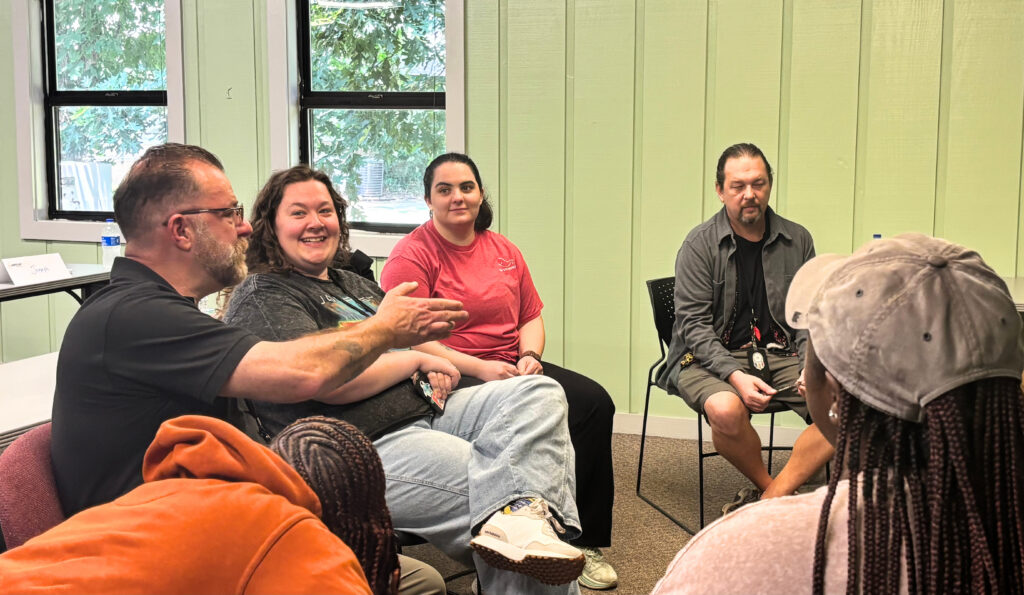
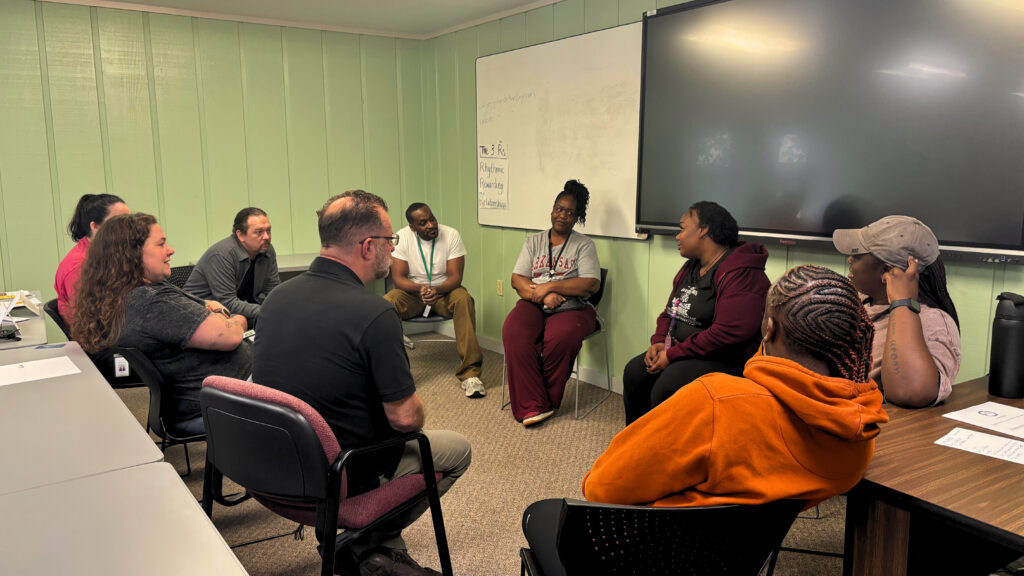
In one exercise, staff paired up to take turns assuming the roles of a youth in crisis and the staff member responding. The goal was to practice slowing the conversation down, validating emotions, and guiding the situation toward a calmer outcome.
No One Responds to Crisis Alone
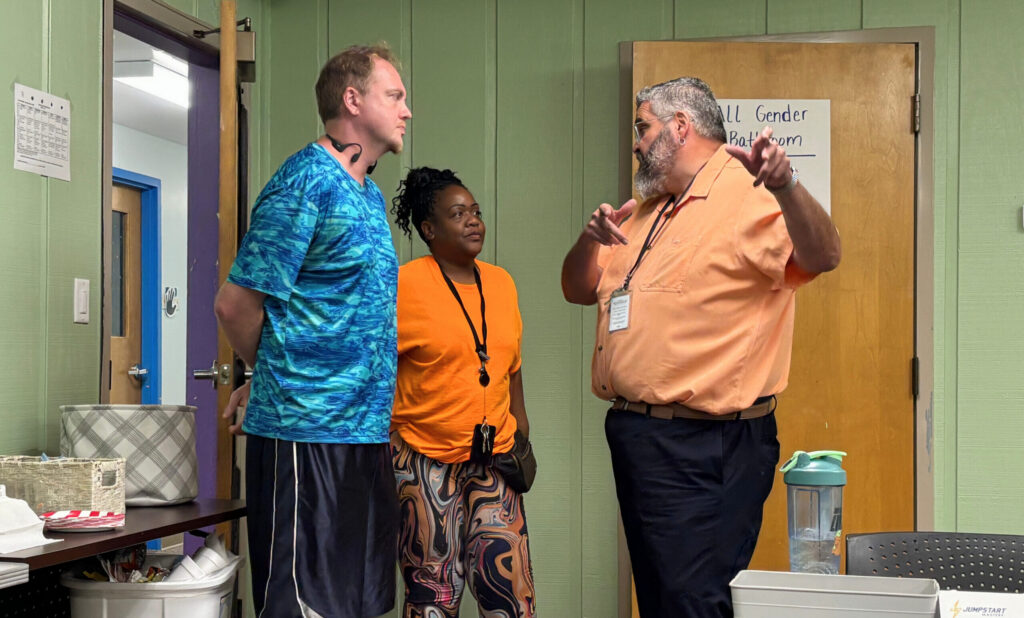
Another exercise highlighted the importance of communication between staff. One participant acted as the first employee to respond to a teen in crisis before briefing two coworkers who had no prior knowledge of the situation. Those staff members then had to assess the situation, establish rapport with the youth, and work together to de-escalate the interaction. This exercise reinforced that effective crisis response isn’t just about a teen and a staff member. It’s about the entire team, clear and concise communication, and ensuring everyone involved shares the same understanding of what has happened.
Communication Continues After Crisis
Another valuable component focused on what happens after a crisis has ended.
Debriefing shouldn’t just involve reviewing procedures or documenting what occurred. Staff should see it as an opportunity to honestly discuss their own experiences without pointing fingers by focusing on questions like:
- What did I see?
- What was I feeling?
- Did I feel supported?
- Is there anything we could do differently next time?
These conversations strengthen teamwork, improve future responses, and reinforce a culture where staff support one another without assigning blame.
Caring for our Youth Means Caring for Each Other
This training has received so much positive feedback from staff, with many saying the lessons they learned will be valuable beyond just working with our youth. They believe the communication skills they’ve acquired can be applied with coworkers and even in their personal lives.
Professional development opportunities like ACIT reflect Youth Home’s ongoing commitment to continuous learning and growth. Every new skill our staff develop helps create a safer, more therapeutic environment where young people can heal, build resilience, and move toward a brighter future.